

Peptide Half-Life: Why Molecular Stability Matters
Half-life describes how quickly the concentration of a substance declines under defined conditions.
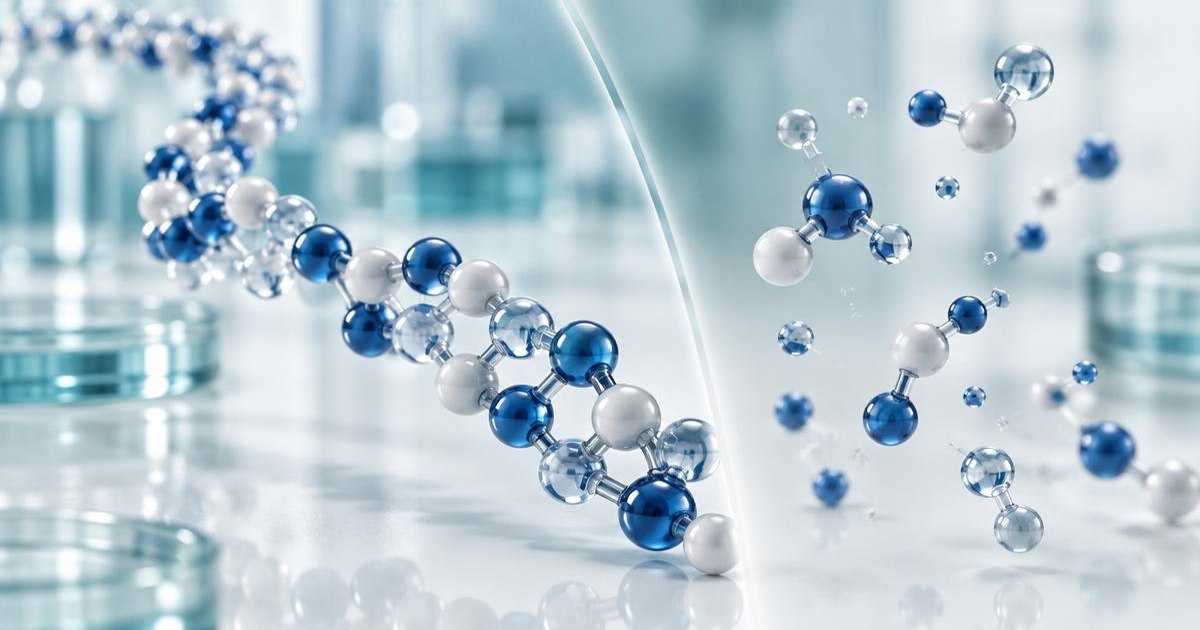
Half-life describes how quickly the concentration of a substance declines under defined conditions. In peptide research, the term can refer to degradation in a test tube or clearance from a biological system; these are not interchangeable. Enzymes called proteases can break peptide bonds, while temperature, pH and oxidation may alter stability in a formulation. Researchers sometimes modify peptide sequences or attach other molecular groups to change persistence. However, a longer half-life does not automatically mean better safety or efficacy. When reading a paper, check which half-life was measured, in what model, and by which analytical method. This distinction prevents misleading comparisons between laboratory measurements and human outcomes.
Related products
See allAbout the author
Synedica Research Desk
Scientific content team
The Synedica Research Desk writes and maintains the technical library behind the Synedica Europe catalogue. The team compiles publicly available literature, supplier documentation and analytical data into plain-language explainers for laboratory and research audiences.
- Reviews certificates of analysis supplied with every Synedica batch
- Sources claims from peer-reviewed literature and regulator publications
- Publishes review dates and correction notes on every article
Continue reading
See all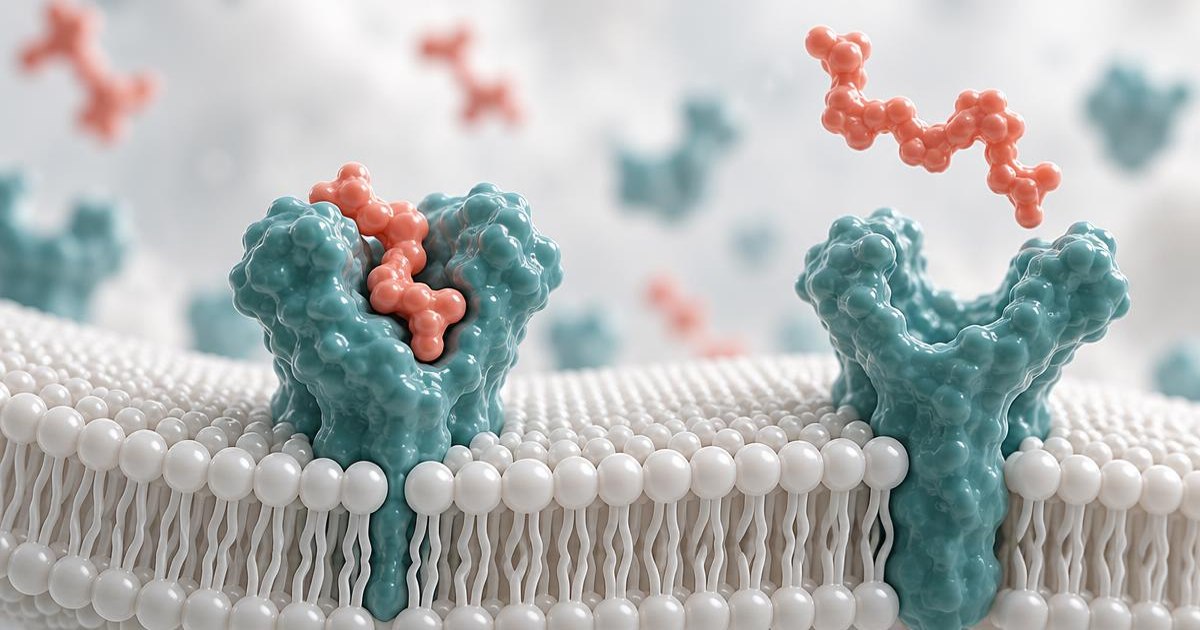
Peptide Receptors: Agonists, Antagonists and Selectivity
Many peptides communicate by binding to receptors on cell surfaces.
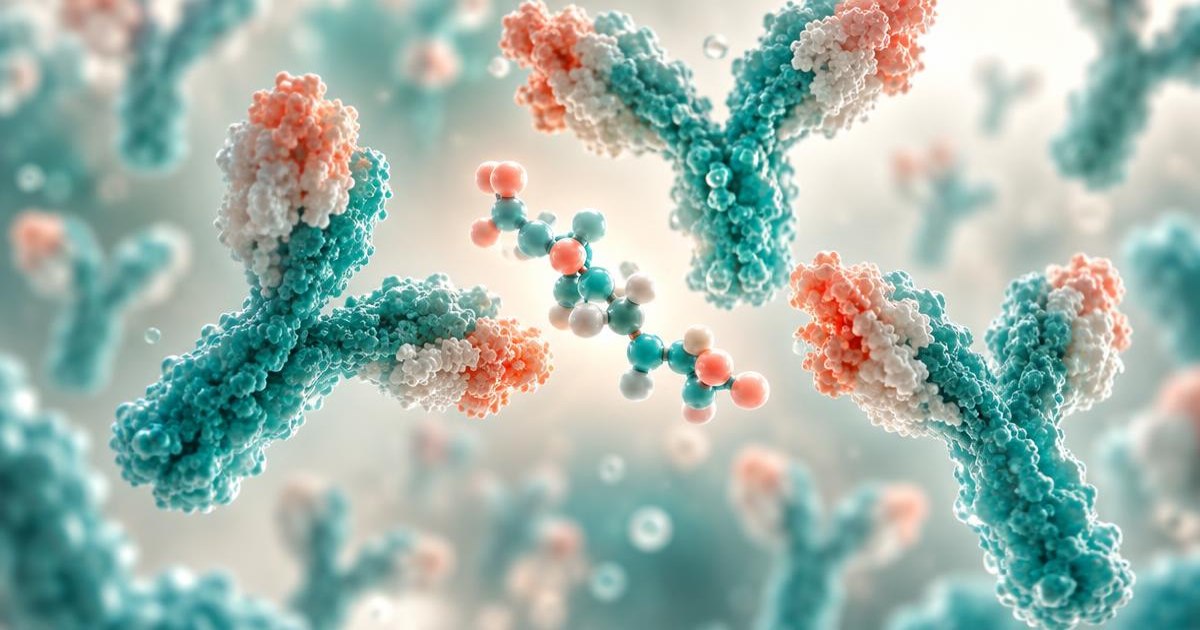
Peptide Immunogenicity: Why Immune Responses Matter
Peptides are often described as small molecules, but some can still provoke immune responses.