

Peptide Aggregation: What Happens When Molecules Cluster?
Peptides can sometimes associate into clusters, ranging from small assemblies to larger aggregates.
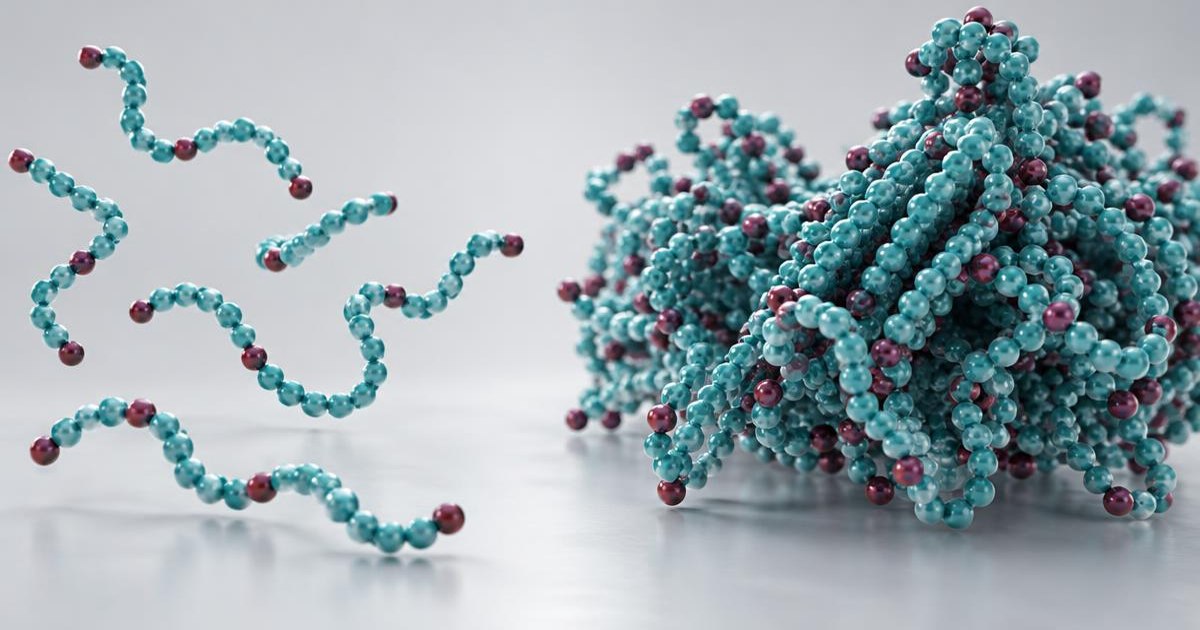
Peptides can sometimes associate into clusters, ranging from small assemblies to larger aggregates. Aggregation may be influenced by sequence, concentration, temperature, agitation and formulation conditions. Researchers study these changes because aggregates can affect measurements, biological activity and product quality. Techniques such as size-exclusion chromatography and light scattering can help characterise assemblies, but each method has limitations. Visual clarity alone cannot establish molecular integrity. Published stability findings should therefore specify analytical methods and storage conditions rather than rely on appearance.
Related products
See allAbout the author
Synedica Research Desk
Scientific content team
The Synedica Research Desk writes and maintains the technical library behind the Synedica Europe catalogue. The team compiles publicly available literature, supplier documentation and analytical data into plain-language explainers for laboratory and research audiences.
- Reviews certificates of analysis supplied with every Synedica batch
- Sources claims from peer-reviewed literature and regulator publications
- Publishes review dates and correction notes on every article
Continue reading
See all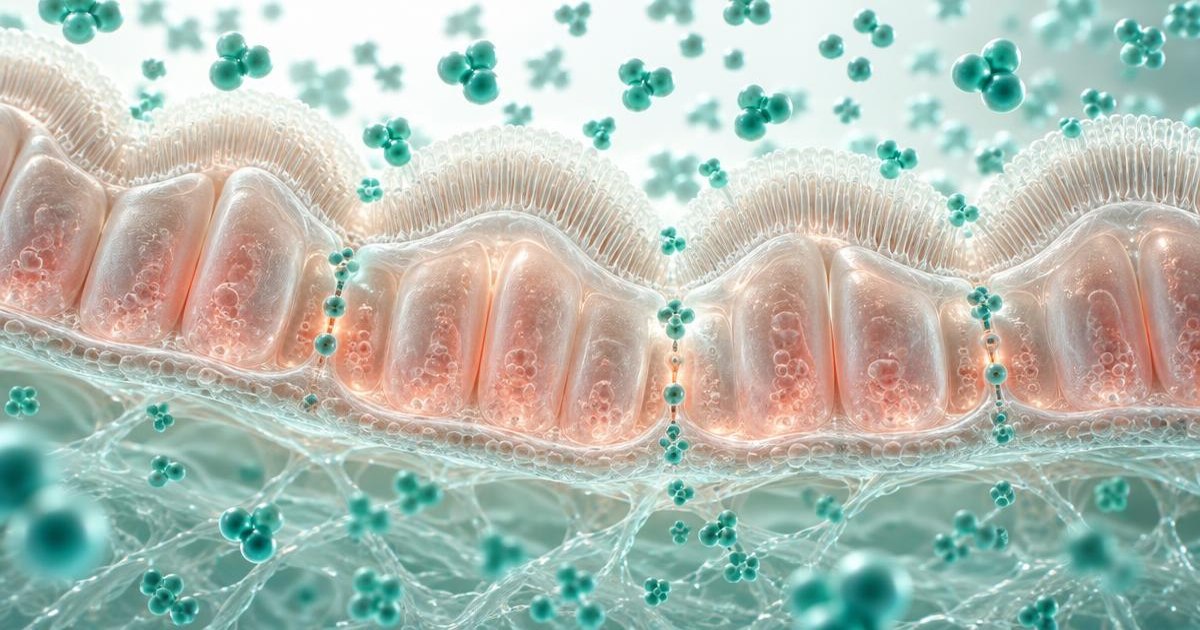
Peptide Bioavailability: Why Route of Administration Changes Research
Bioavailability refers to the proportion of an administered substance that reaches systemic circulation in a measurable form.
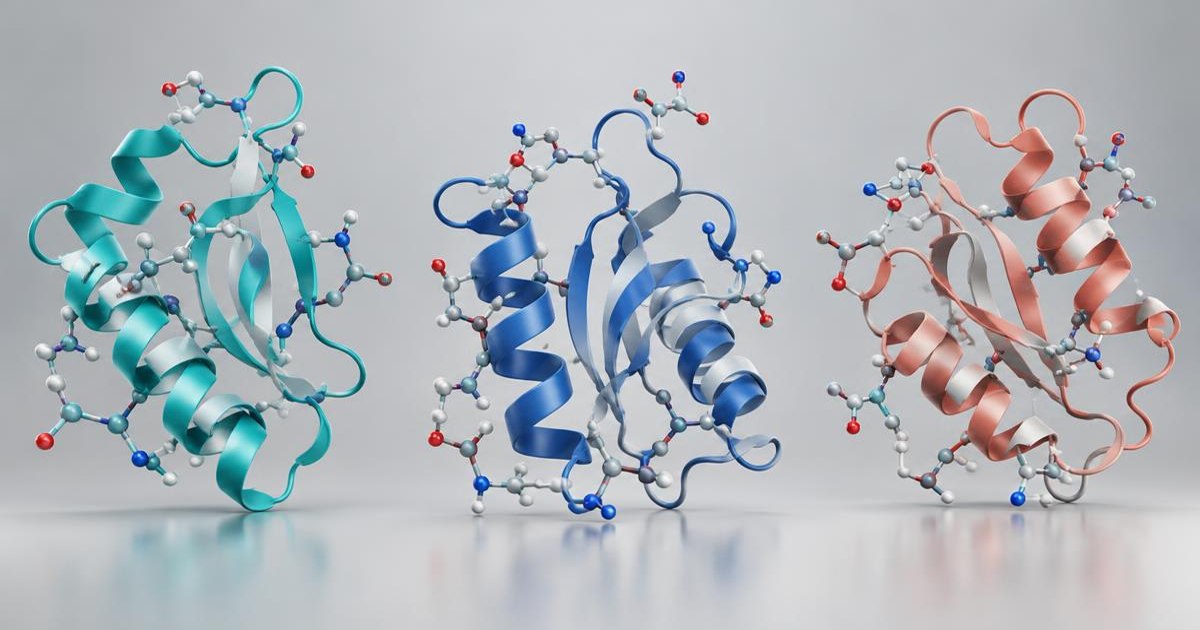
Peptide Structure–Activity Relationships Explained
A small change in a peptide's amino-acid sequence can change how it folds, binds to receptors or resists degradation.