

Batch Effect or Bench Effect? Why the Same Peptide Can Give Different Lab Results
A changed result after switching lots is easy to blame on the batch. Often the difference comes from how the material is weighed, dissolved, stored or tested. This guide helps separate a real batch effect from a bench effect.
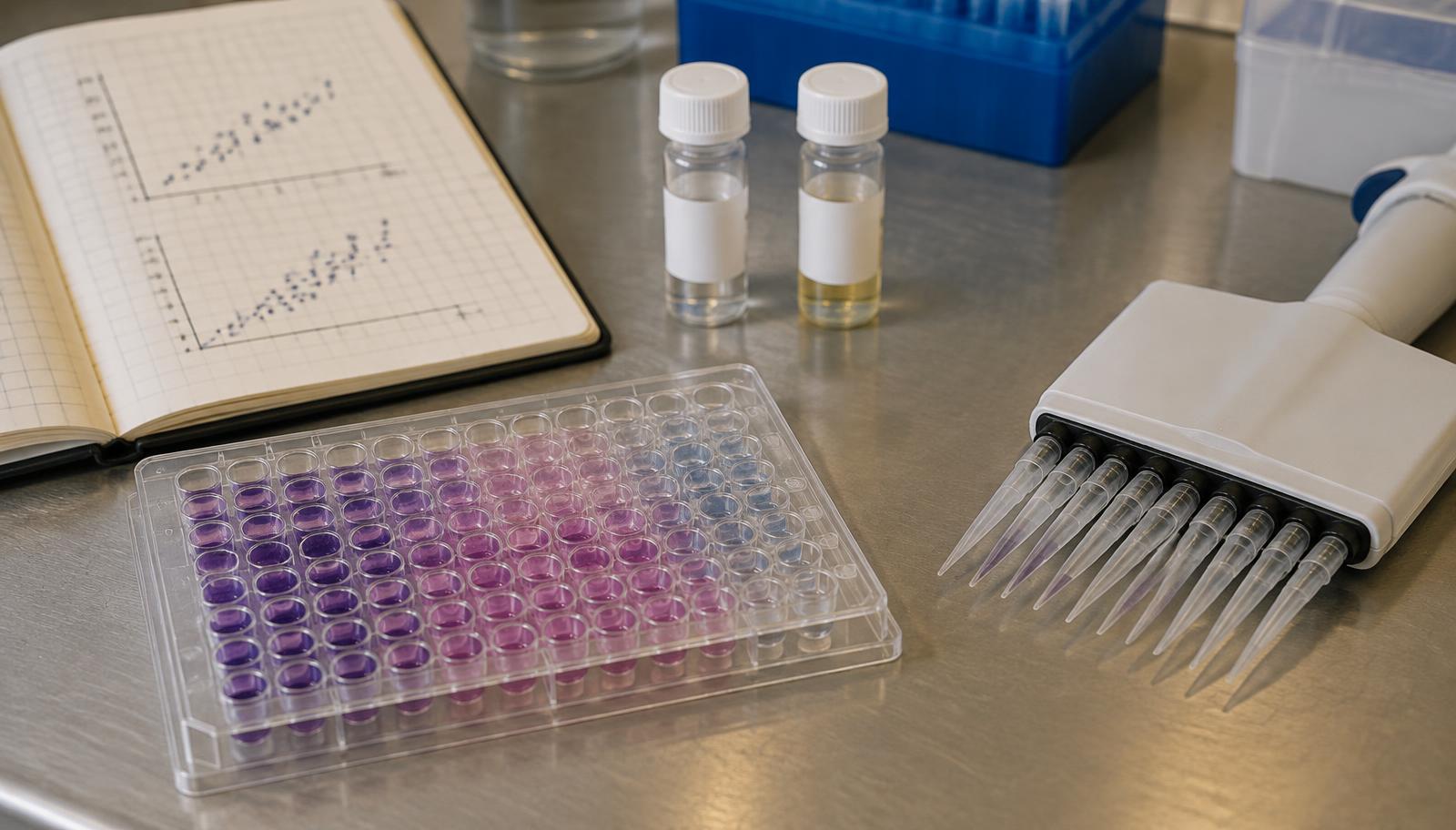
Few moments in a project are as frustrating as repeating an experiment with a new lot of the same peptide and getting a different answer. The instinct is to suspect the material. Sometimes that instinct is right. Often, though, the variation comes from steps between the vial and the readout. This guide is written from the receiving laboratory’s side: how to work out where a difference really comes from.
Start with the question: what exactly changed?
Before comparing chromatograms, write down every variable that differed between the two runs: lot number, date of reconstitution, solvent, storage time, cell passage or reagent lot, operator and instrument. Lot changes rarely happen in isolation. A new vial often coincides with fresh buffers, a new box of plastics or a different week of cell culture, and any of these can shift a result.
Amount: the most common hidden variable
Two lots can share the same purity and still deliver different amounts of peptide per milligram of powder, because net peptide content varies with water and counter-ion content. If concentrations are calculated from gross weight, a lot with lower content produces a weaker solution. Weighing errors add to this: small masses of hygroscopic, static-prone powder are difficult to weigh accurately, especially in humid rooms.
- Compare net peptide content of both lots, not only purity.
- Prefer dissolving the whole vial content in a measured volume over weighing out small portions.
- Let vials reach room temperature before opening to limit water uptake.
- Where possible, confirm concentration of the stock solution with an independent measurement.
Form: salt, solubility and aggregation
A change in counter-ion — for example trifluoroacetate in one lot and acetate in another — can alter solubility, the pH of the stock and, in some cell-based systems, the baseline response. Some sequences also aggregate, forming species that are less available in an assay. Cloudiness, a gel-like appearance or a drifting signal over time are clues that the material is not fully in solution.
Time: stability after reconstitution
Dry peptides are relatively stable; dissolved peptides are not. Residues such as methionine, cysteine and tryptophan are prone to oxidation, asparagine can deamidate, and repeated freeze-thaw cycles promote degradation and adsorption. A stock prepared weeks ago and used against a freshly prepared stock from a new lot is not a fair comparison of the two lots.
Peptides can also adsorb to plastic and glass surfaces, which matters most at low concentrations. Changing tube type, plate brand or the presence of a carrier protein can change how much peptide actually reaches the assay.
The assay itself
Biological assays have their own variability. Cell passage number, serum lots, incubation timing, edge effects in plates and reader calibration all move results. Without a reference control run alongside the test, it is impossible to tell whether the peptide changed or the system did.
A fair side-by-side test
- 1Reconstitute both lots on the same day, in the same solvent, from whole vials.
- 2Normalise concentrations using net peptide content rather than gross weight.
- 3Run both lots in the same plate or session, with the same controls and randomised positions.
- 4Repeat on at least two independent days before drawing a conclusion.
- 5If a difference persists, compare the lots’ certificates and request or perform orthogonal testing.
When the batch really is different
If a careful comparison still shows a consistent difference, the material deserves attention: impurity profile, identity confirmation and content should be compared directly. Share the lot numbers, the comparison design and the data with the supplier. A traceable lot record makes that conversation productive, because both sides can examine the same documented batch.
Record the lot number, content figure and reconstitution date with every dataset. It is the cheapest insurance against an unexplained result.
Related products
See allFrequently asked questions
Why does a new peptide lot give a weaker effect?
A frequent cause is lower net peptide content combined with concentrations calculated from gross weight; storage, solubility and assay variability are other common causes.
Can the counter-ion change experimental results?
It can. Salt form affects solubility and pH, and residual trifluoroacetate has been reported to influence some cell-based assays.
How should two peptide lots be compared?
Reconstitute them the same day, normalise by net content, run them in the same session with shared controls and repeat on independent days.
Is a stored stock solution comparable to a fresh one?
Not reliably. Dissolved peptides can oxidise, deamidate, aggregate or adsorb to surfaces over time.
Sources and further reading
About the author
Synedica Research Desk
Scientific content team
The Synedica Research Desk writes and maintains the technical library behind the Synedica Europe catalogue. The team compiles publicly available literature, supplier documentation and analytical data into plain-language explainers for laboratory and research audiences.
- Reviews certificates of analysis supplied with every Synedica batch
- Sources claims from peer-reviewed literature and regulator publications
- Publishes review dates and correction notes on every article
Continue reading
See all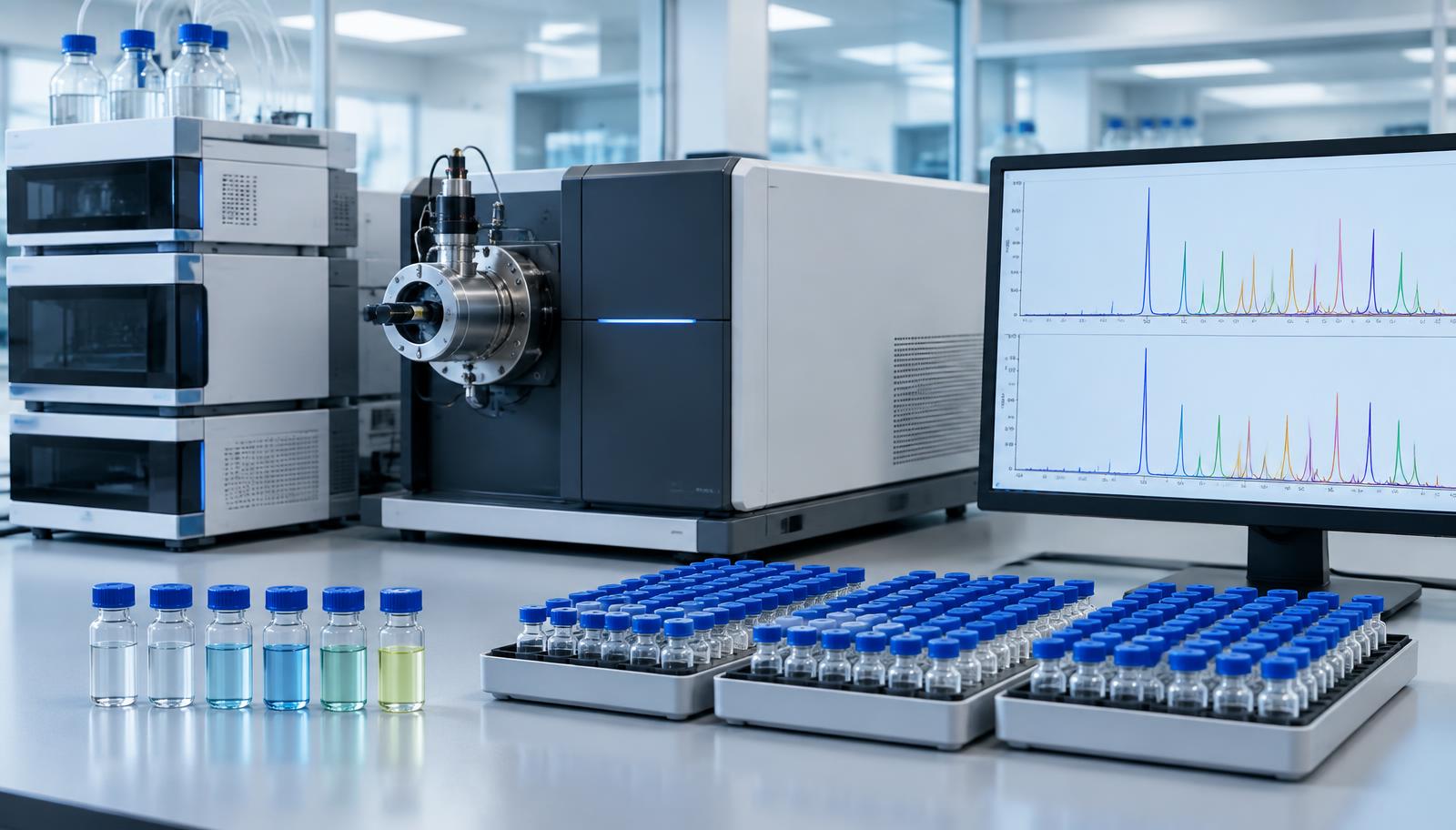
Beyond the COA: How Laboratories Build Consistency Between Batches
A certificate of analysis records selected results for a batch. Consistency emerges from the system behind those results: meaningful specifications, representative sampling, complementary measurements and informed review. For experimental peptide research, this wider view makes comparisons more useful and uncertainty more visible.
Net Peptide Content Explained: Why a 10 mg Vial Rarely Holds 10 mg of Peptide
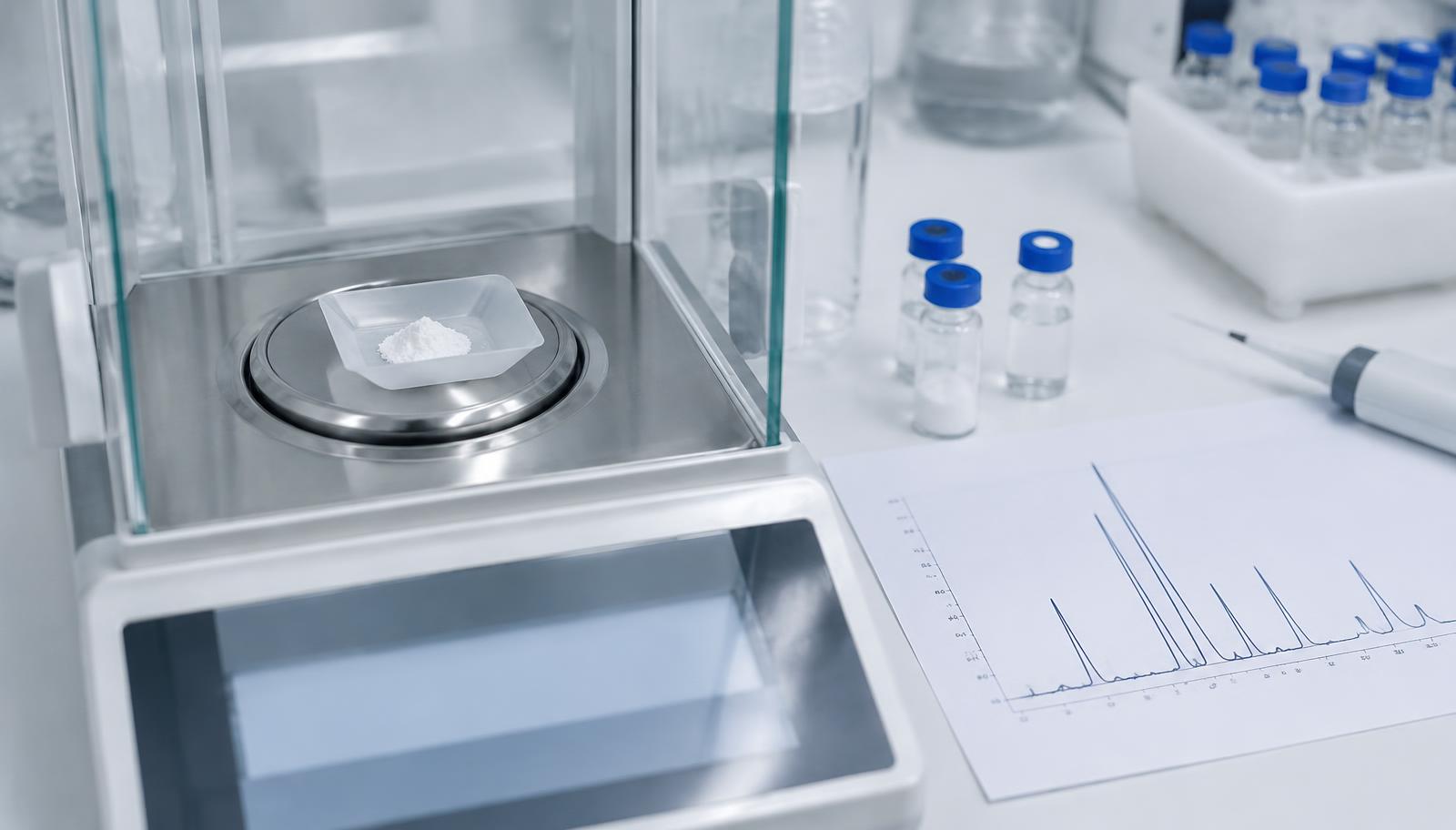
A peptide report can show the right mass and a high HPLC purity and still leave one question open: how much of the powder is actually peptide? Net peptide content answers it, and it is the figure most often misunderstood.

How to Reconstitute Lyophilised Peptides
Most peptide losses happen in the ninety seconds after the diluent goes in. A slower technique protects the material.