

Synedica Labs Explained: What the Brand Is and How Its European Operation Works
Synedica is a brand of research compounds and laboratory accessories. This guide explains what the brand offers, what it deliberately does not claim and how its European operation turns a manufactured lot into a traceable, verifiable kit.
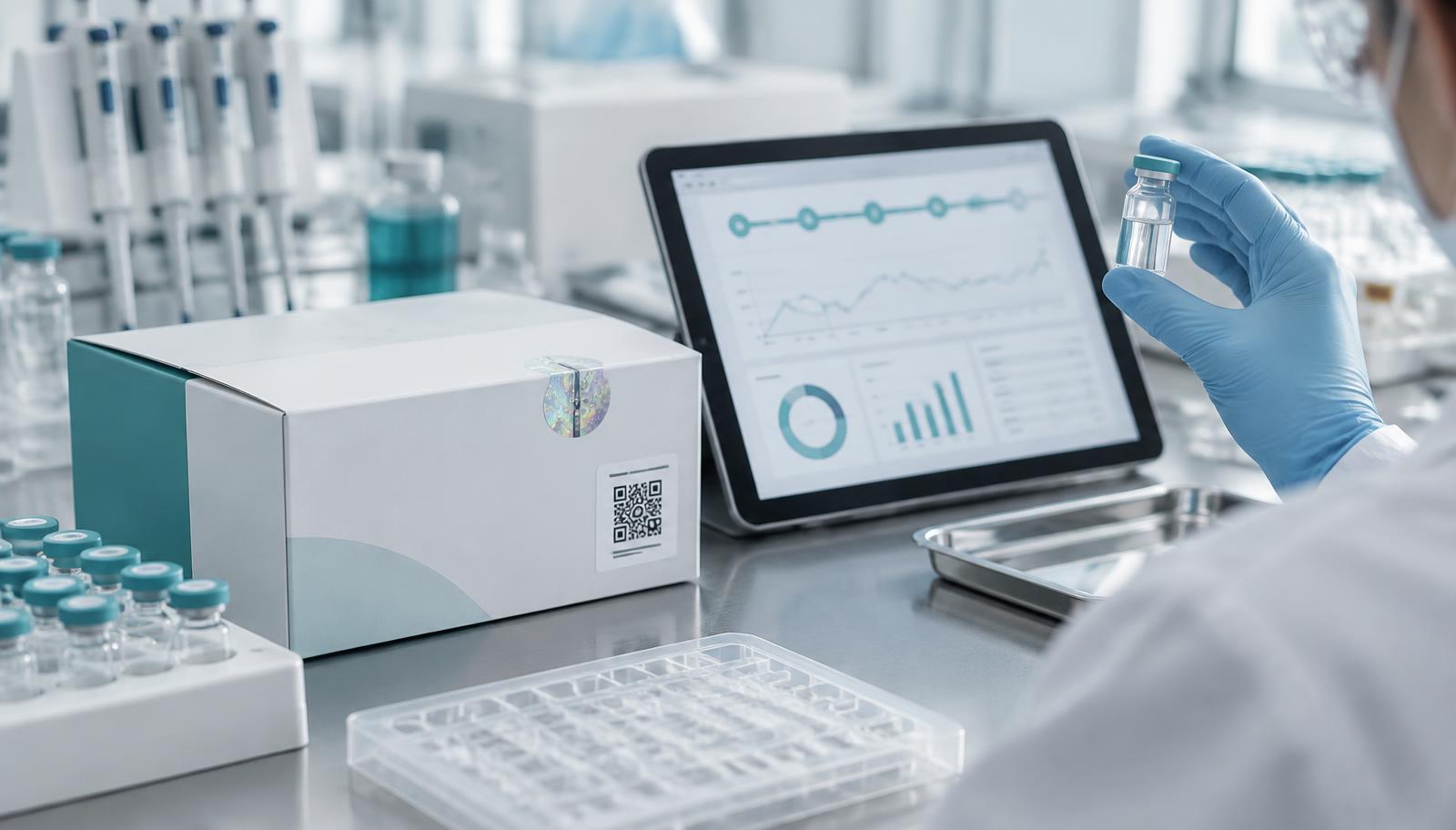
Brand pages often tell you what a company wants you to feel. This article does something narrower: it sets out what Synedica is, what it does and does not do, and how the European operation is organised, so that a researcher can judge the brand on its processes rather than on its marketing.
What Synedica is
Synedica is a brand of research compounds — mainly lyophilised peptides — together with the laboratory accessories used to handle them, such as diluents and dispensing devices. Synedica Europe is the official European website and supply channel for that range. The brand’s positioning is defined by two promises: clarity about what is in the vial and reliability about how it reaches the laboratory.
What Synedica does not do
Understanding the limits of a brand is as important as understanding its offer. Synedica products are supplied for in-vitro research and development only. They are not medicines, they are not authorised for human or veterinary use and the brand does not provide treatment, dosing or medical advice. Product pages describe materials and research context, not health outcomes.
- No therapeutic claims: research literature is summarised as research, not as a promise of effect.
- No personal-use guidance: protocols, doses and administration advice are outside the brand’s scope.
- No hidden sourcing: every kit is linked to a batch record that can be checked online.
How the operation turns a lot into a verifiable kit
The European operation follows four documented stages. Materials are sourced from manufacturing partners audited for process control and documentation. Incoming lots are checked for identity, purity and appearance before they enter stock. Each kit is then sealed, serialised and linked to its batch record in the verification system. Finally, orders leave the European hub in protective packaging with tracking.
The serialisation step is what makes the system auditable. A batch record on its own describes a lot; a serial code on a sealed kit connects a specific physical unit to that record. Without that link, a certificate of analysis could describe any vial. With it, a researcher can confirm that the kit in hand belongs to the documented lot.
Quality evidence the brand makes available
Each batch is HPLC-tested and released against its reference specification, and certificates of analysis and specification sheets are available for each lot. Physical security features — a scratchable QR code, a holographic seal and an NFC tag on research kits — are there to make tampering and copying harder. None of these features replaces analytical testing; they protect the link between the tested lot and the delivered unit.
Why the operation is European
Holding stock in Europe allows dispatch within the region, predictable tracked delivery and paperwork prepared for destinations such as the United Kingdom. For research materials that are sensitive to time, handling and light, fewer intercontinental legs mean fewer uncontrolled steps. It also means that support, returns and order questions are handled within the same time zones as the customers.
How to evaluate the brand yourself
Researchers do not need to take any of this on trust. Request the certificate of analysis for the lot you are buying, compare the lot number with the kit you receive, verify the kit’s unique code online and keep the lot number in your experimental records. If any element does not match, contact support before using the material.
A credible research brand is one whose claims can be checked by the customer, lot by lot.
Related products
See allFrequently asked questions
What is Synedica?
Synedica is a brand of research compounds, mainly lyophilised peptides, and related laboratory accessories. Synedica Europe is its official European website and supply channel.
Are Synedica products medicines?
No. They are supplied for in-vitro research and development only and are not authorised for human or veterinary use.
How is each Synedica kit linked to its quality data?
Each kit is sealed, serialised and linked to its batch record, so its unique code can be checked online against the documented lot.
Does Synedica publish certificates of analysis?
Yes. Certificates of analysis and specification sheets are available for each lot.
Sources and further reading
About the author
Synedica Quality & Compliance Desk
Quality assurance and compliance team
The Quality & Compliance Desk maintains Synedica Europe's authentication programme, packaging standards and European distribution documentation, and reviews every editorial page that touches handling, storage or regulatory topics.
- Owns the Synedica anti-counterfeit programme (scratch QR, holographic seal, NFC)
- Maintains batch traceability and packaging specifications
- Reviews all handling, storage and shipping guidance before publication
Continue reading
See all
How to Verify Synedica Product Authenticity
Three independent layers protect every Synedica batch. Checking all three takes under a minute.
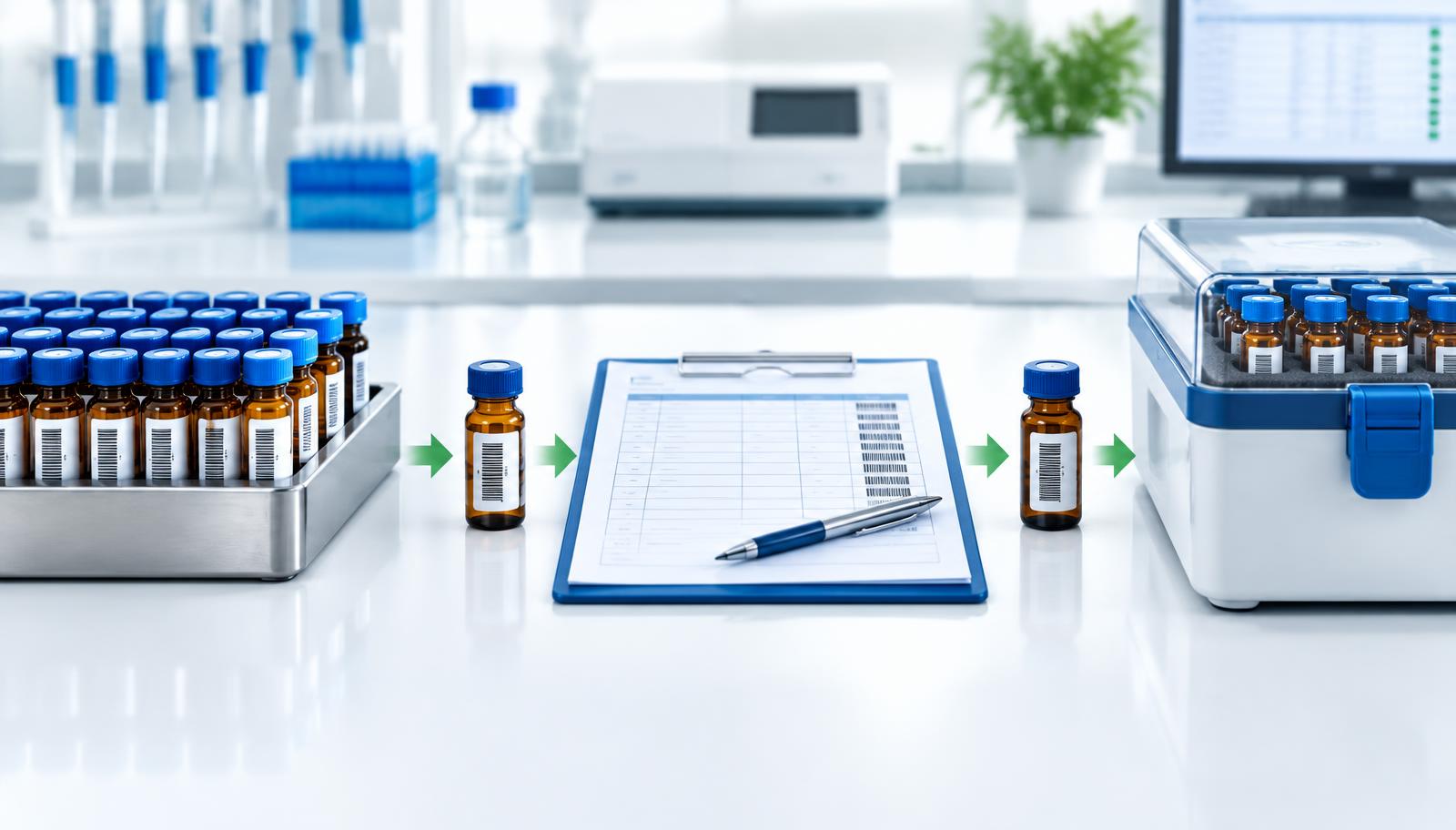
End-to-End Traceability: Building the Identity of a Research Batch
A research batch has more than a label. Its identity emerges from connected records that explain where material originated, how it moved and what happened to its samples. End-to-end traceability makes that history available for informed scientific review.
How to Read a Certificate of Analysis
A certificate of analysis is only useful if you can read it. Here is what each section should contain and which omissions should stop an order.