

Peptide Structure–Activity Relationships Explained
A small change in a peptide's amino-acid sequence can change how it folds, binds to receptors or resists degradation.
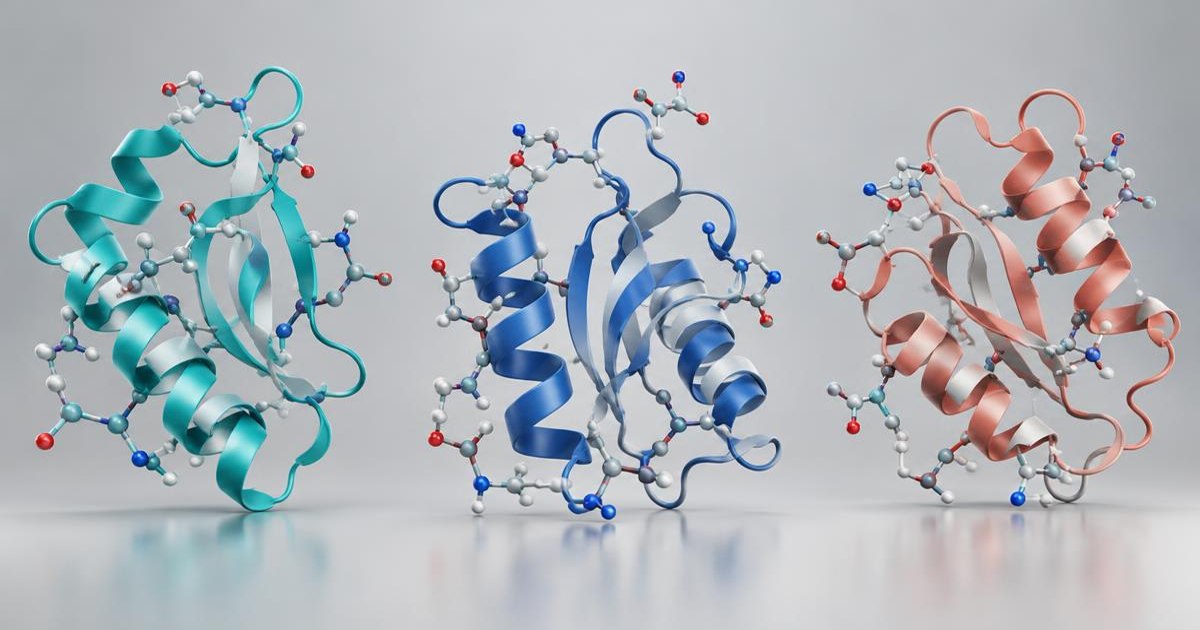
A small change in a peptide's amino-acid sequence can change how it folds, binds to receptors or resists degradation. Structure–activity relationship research systematically compares related molecules to understand which features contribute to a measured effect. Scientists may study substitutions, cyclisation or chemical modifications. Yet a stronger response in one assay may come with different off-target effects or pharmacokinetics. This is why medicinal chemistry relies on multiple complementary tests rather than one headline potency number. The findings are research insights, not instructions for modifying or using peptides.
Related products
See allAbout the author
Synedica Research Desk
Scientific content team
The Synedica Research Desk writes and maintains the technical library behind the Synedica Europe catalogue. The team compiles publicly available literature, supplier documentation and analytical data into plain-language explainers for laboratory and research audiences.
- Reviews certificates of analysis supplied with every Synedica batch
- Sources claims from peer-reviewed literature and regulator publications
- Publishes review dates and correction notes on every article
Continue reading
See all
Peptide Clinical Trials: Understanding Endpoints and Evidence
Clinical trials may report biological markers, patient-reported outcomes or clinical events.

Peptide Nomenclature: Reading Amino-Acid Sequences
Peptides are chains of amino acids, commonly represented by one-letter or three-letter codes.