

Peptides and the Blood–Brain Barrier: Research Challenges
The blood–brain barrier helps regulate which substances enter the central nervous system.
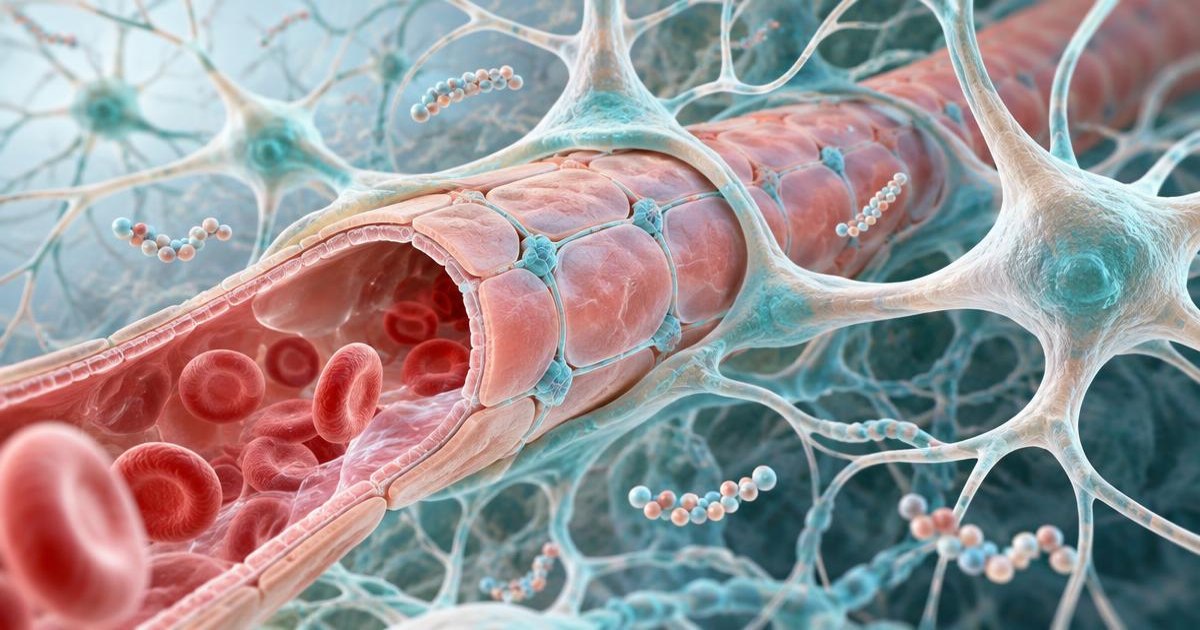
The blood–brain barrier helps regulate which substances enter the central nervous system. Many peptides cross it poorly because of their size, polarity and susceptibility to degradation. Scientists study transport pathways and delivery strategies, but findings in cell models or animals do not guarantee human brain exposure. Even evidence that a molecule reaches the brain does not establish a therapeutic benefit. Responsible reporting separates transport measurements, biological effects and clinical outcomes, while acknowledging possible safety concerns associated with altering delivery.
Related products
See allAbout the author
Synedica Research Desk
Scientific content team
The Synedica Research Desk writes and maintains the technical library behind the Synedica Europe catalogue. The team compiles publicly available literature, supplier documentation and analytical data into plain-language explainers for laboratory and research audiences.
- Reviews certificates of analysis supplied with every Synedica batch
- Sources claims from peer-reviewed literature and regulator publications
- Publishes review dates and correction notes on every article
Continue reading
See all
Peptide Research Reproducibility: Controls and Reporting
A result becomes more convincing when independent teams can reproduce it.

Peptide Half-Life: Why Molecular Stability Matters
Half-life describes how quickly the concentration of a substance declines under defined conditions.