

Peptide Nomenclature: Reading Amino-Acid Sequences
Peptides are chains of amino acids, commonly represented by one-letter or three-letter codes.

Peptides are chains of amino acids, commonly represented by one-letter or three-letter codes. Sequence notation normally runs from the amino terminus to the carboxyl terminus. Chemical modifications, disulfide bonds and terminal groups can substantially change molecular properties, so a familiar name may not fully describe the tested material. Researchers also distinguish a peptide's sequence from its salt form, purity and net content. Accurate nomenclature improves reproducibility and reduces confusion when comparing papers, certificates and analytical reports.
Related products
See allAbout the author
Synedica Research Desk
Scientific content team
The Synedica Research Desk writes and maintains the technical library behind the Synedica Europe catalogue. The team compiles publicly available literature, supplier documentation and analytical data into plain-language explainers for laboratory and research audiences.
- Reviews certificates of analysis supplied with every Synedica batch
- Sources claims from peer-reviewed literature and regulator publications
- Publishes review dates and correction notes on every article
Continue reading
See all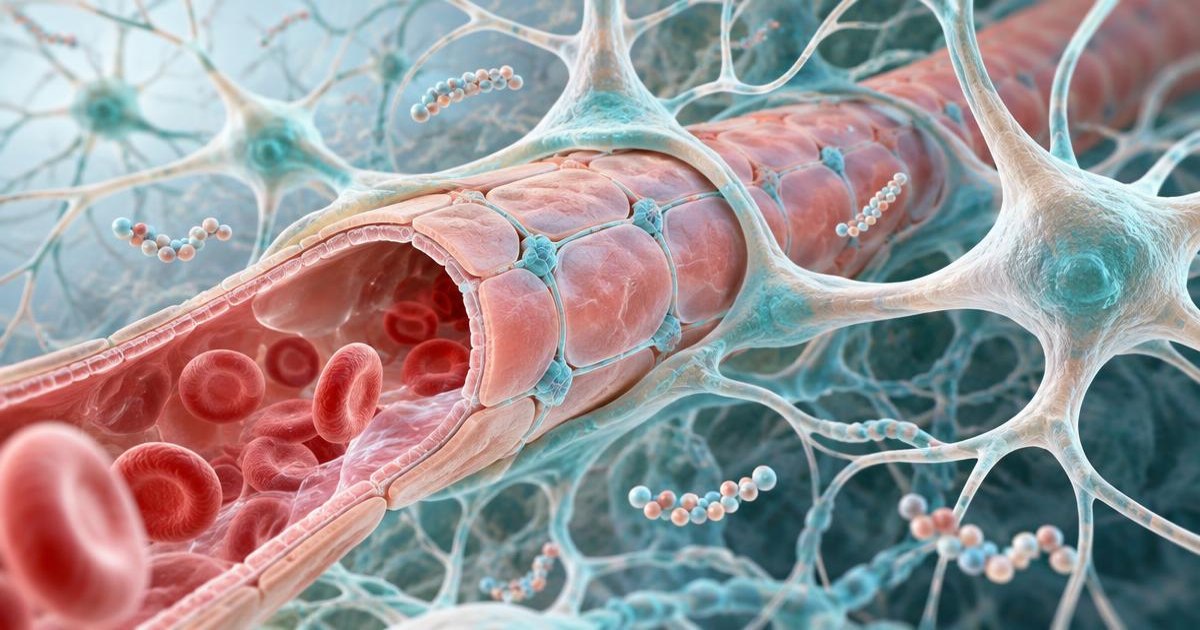
Peptides and the Blood–Brain Barrier: Research Challenges
The blood–brain barrier helps regulate which substances enter the central nervous system.

Peptide Research Reproducibility: Controls and Reporting
A result becomes more convincing when independent teams can reproduce it.