

MOTS-c: Promise and Limits of a Mitochondrial Peptide
MOTS-c — often misspelled online — changed how scientists think about mitochondrial DNA. Animal results are striking, but no controlled human trial has shown a clinical benefit. This review explains why that gap matters.

The correct name is MOTS-c, short for mitochondrial open reading frame of the 12S rRNA type-c. Variants such as MOTSc or Mots-C refer to the same peptide. First described in 2015, it is a 16-amino-acid peptide encoded not in the nucleus but in mitochondrial DNA — one of a small family of so-called mitochondrial-derived peptides.
Mechanism under study
In cell and mouse studies, MOTS-c inhibits the folate cycle, leading to accumulation of AICAR and activation of AMPK, a central energy sensor. Under metabolic stress it has been reported to move to the nucleus and influence gene expression. These findings position it as a signalling molecule between mitochondria and the rest of the cell.
State of the human evidence
Rodent studies reported improved insulin sensitivity, resistance to diet-induced weight gain and better physical capacity in older animals. In humans, the evidence is mainly observational: circulating MOTS-c levels have been measured and correlated with age, exercise and metabolic markers. Correlation does not show that giving the peptide produces a benefit. As of this review, no published randomised controlled trial has demonstrated clinical efficacy or long-term safety of MOTS-c in people.
Limitations, risks and adverse effects
- Doses, routes and durations used in mice do not translate directly to humans.
- There is no systematic human safety database, so the adverse-effect profile is essentially unknown.
- Unregulated products carry risks of impurity, mislabelled content and contamination.
- AMPK activation interacts with glucose metabolism; effects in people with diabetes or on medication are untested.
Regulatory status by region
MOTS-c is not an approved medicine anywhere — not by the FDA, the EMA or the MHRA. It is an investigational research compound. Competitive athletes should note that the World Anti-Doping Agency prohibits metabolic modulators, including AMPK activators; the current Prohibited List should always be checked.
Bottom line
MOTS-c is a scientifically important discovery with an interesting mechanism, but the evidence is preclinical and observational. For background on the molecule itself, see our MOTS-c research profile; for a compound that is often confused with peptides, see our NAD+ evidence review.
This article is educational. It is not medical advice, does not recommend any use in humans and does not replace a consultation with a qualified professional. Research-grade materials are not medicines.
Related products
See allFrequently asked questions
Is it spelled MOTS-c or Mots-C?
The scientific spelling is MOTS-c, with a lowercase c for type-c. Other spellings refer to the same peptide.
Has MOTS-c been tested in human clinical trials?
No randomised controlled trial showing clinical benefit has been published. Human data are mostly measurements of natural circulating levels.
Is MOTS-c an approved drug?
No. It has no approval from the FDA, EMA or MHRA and remains an investigational compound.
Sources and further reading
About the author
Synedica Research Desk
Scientific content team
The Synedica Research Desk writes and maintains the technical library behind the Synedica Europe catalogue. The team compiles publicly available literature, supplier documentation and analytical data into plain-language explainers for laboratory and research audiences.
- Reviews certificates of analysis supplied with every Synedica batch
- Sources claims from peer-reviewed literature and regulator publications
- Publishes review dates and correction notes on every article
Continue reading
See all
MOTS-c: The Peptide Encoded Inside the Mitochondria
Most peptides in your body are transcribed from nuclear DNA. MOTS-c is not — and that single fact is why it opened an entire research field.
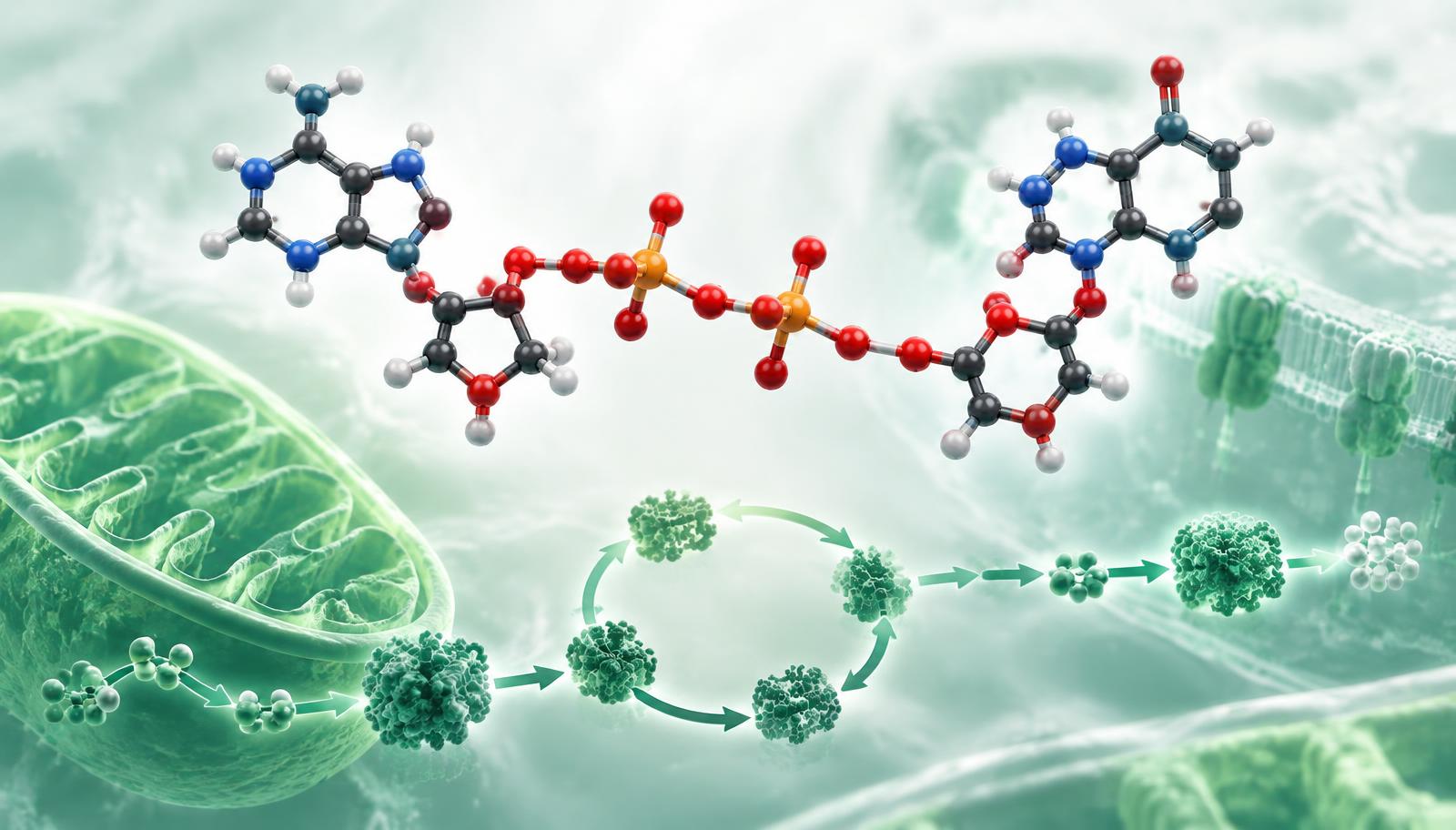
NAD+: Not a Peptide — What the Coenzyme Evidence Shows
NAD+ is often sold next to peptides, but chemically it is a dinucleotide coenzyme. This review explains its biology, what human trials of precursors have and have not shown, and why claims about anti-ageing benefits run ahead of the data.
TB-500 and Thymosin Beta-4: Evidence, Gaps and Risks
TB-500 is often presented as if it were thymosin beta-4. It is not. This review explains what the full protein has shown in early clinical studies, why that evidence does not transfer to the synthetic fragment, and what the risks and rules are.