
NAD+: Not a Peptide — What the Coenzyme Evidence Shows
NAD+ is often sold next to peptides, but chemically it is a dinucleotide coenzyme. This review explains its biology, what human trials of precursors have and have not shown, and why claims about anti-ageing benefits run ahead of the data.
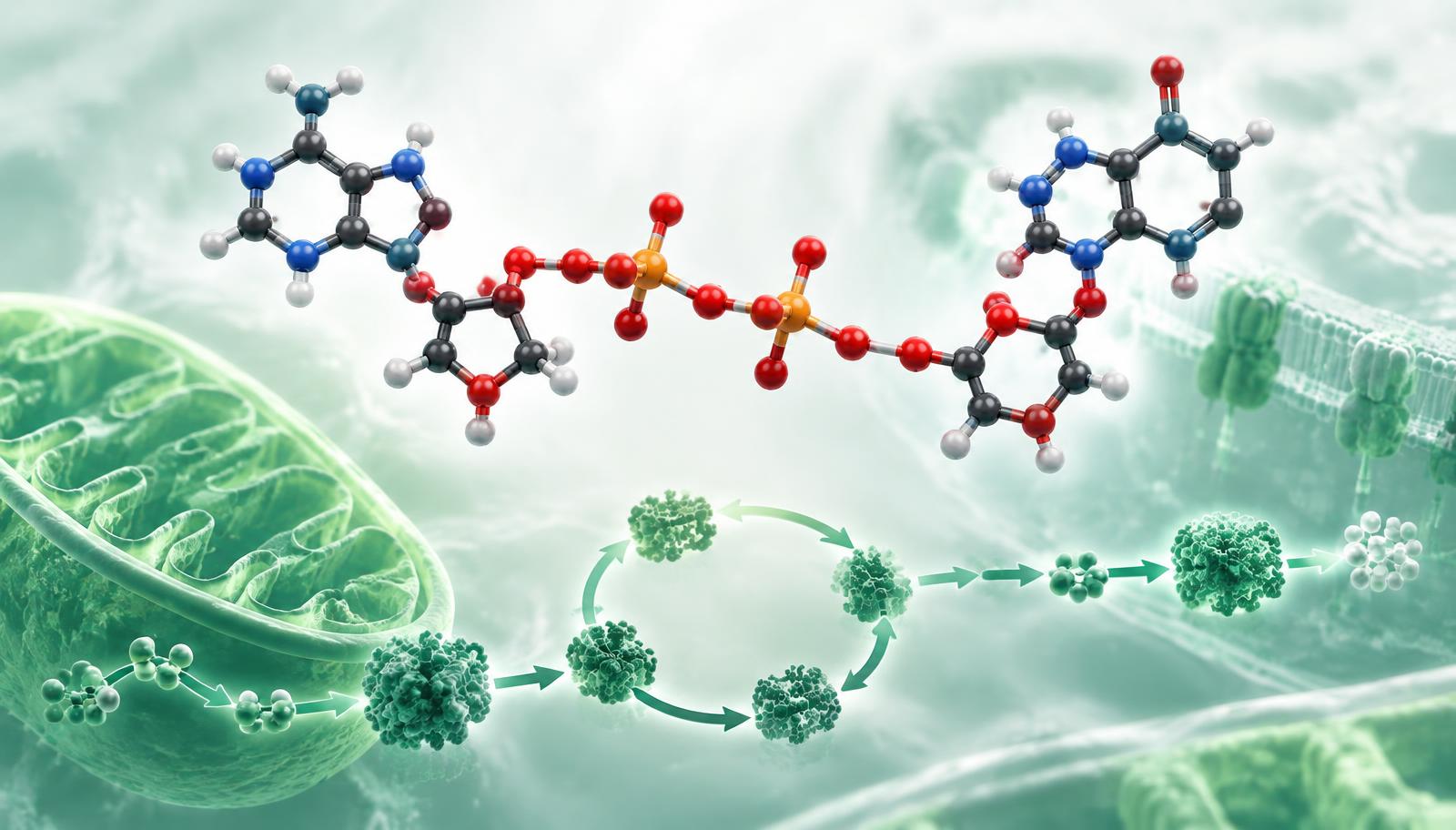
Nicotinamide adenine dinucleotide (NAD+) is not a peptide. It contains no amino acids: it is made of two nucleotides joined by phosphate groups. It appears in peptide catalogues because it is studied in the same metabolic and ageing research context, but its chemistry, handling and regulation are different.
Mechanism under study
NAD+ is an essential electron carrier in energy metabolism and a substrate for enzymes such as sirtuins, PARPs involved in DNA repair, and CD38. Tissue NAD+ levels decline with age in many animal studies and in some human tissues, which led to the hypothesis that restoring NAD+ might support healthy ageing. The body makes NAD+ from precursors including niacin, nicotinamide, nicotinamide riboside (NR) and nicotinamide mononucleotide (NMN).
State of the human evidence
Multiple randomised trials show that oral NR and NMN reliably raise NAD+ levels in blood. Effects on clinical outcomes have been modest and inconsistent: some small trials reported changes in specific metabolic or muscle measures, while others found no meaningful improvement in insulin sensitivity, blood pressure or physical function. Evidence for intravenous NAD+ infusions comes mainly from small, uncontrolled studies and does not establish clinical benefit.
Limitations, risks and adverse effects
- Raising a blood biomarker is not the same as improving health outcomes; long-term trials are lacking.
- Oral precursors were generally well tolerated in trials, with mild gastrointestinal effects reported.
- Rapid intravenous NAD+ administration has been associated with flushing, nausea, abdominal cramping and chest tightness.
- Because NAD+ metabolism supports cell proliferation, researchers continue to examine its relationship with cancer biology; the question is open.
Regulatory status by region
NAD+ itself is not an approved medicine for ageing or metabolic conditions in the EU, the UK or the US. Precursors are regulated mainly as foods or supplements, and their status differs: in the EU, nicotinamide riboside chloride is authorised as a novel food under defined conditions, while NMN has not been authorised as a novel food. In the United States, the regulatory position of NMN as a dietary supplement has been reviewed and changed by the FDA in recent years. Niacin and nicotinamide are long-established vitamins.
Bottom line
NAD+ biology is real and important, but the leap from higher blood levels to proven health benefits has not been made. For laboratory context, see our NAD+ research profile; for a genuinely peptide-based mitochondrial signal, see our MOTS-c evidence review.
This article is educational. It is not medical advice, does not recommend any use in humans and does not replace a consultation with a qualified professional. Research-grade materials are not medicines.
Related products
See allFrequently asked questions
Is NAD+ a peptide?
No. It is a dinucleotide coenzyme made of two nucleotides, with no amino acids.
Do NR or NMN supplements raise NAD+?
Trials show they raise blood NAD+ levels, but consistent clinical benefits have not been demonstrated.
Are NAD+ infusions proven to work?
No. Evidence comes from small, mostly uncontrolled studies, and rapid infusion can cause flushing, nausea and chest discomfort.
Sources and further reading
About the author
Synedica Research Desk
Scientific content team
The Synedica Research Desk writes and maintains the technical library behind the Synedica Europe catalogue. The team compiles publicly available literature, supplier documentation and analytical data into plain-language explainers for laboratory and research audiences.
- Reviews certificates of analysis supplied with every Synedica batch
- Sources claims from peer-reviewed literature and regulator publications
- Publishes review dates and correction notes on every article
Continue reading
See all
NAD+ in Research: Why a Coenzyme Sits Next to the Peptides
NAD+ is the odd one out in this series: it is not a peptide at all. It earns its place because almost every metabolic research programme runs into it eventually.
MOTS-c: Promise and Limits of a Mitochondrial Peptide
MOTS-c — often misspelled online — changed how scientists think about mitochondrial DNA. Animal results are striking, but no controlled human trial has shown a clinical benefit. This review explains why that gap matters.
Tesamorelin: An Approved GHRH Analogue and Its Evidence
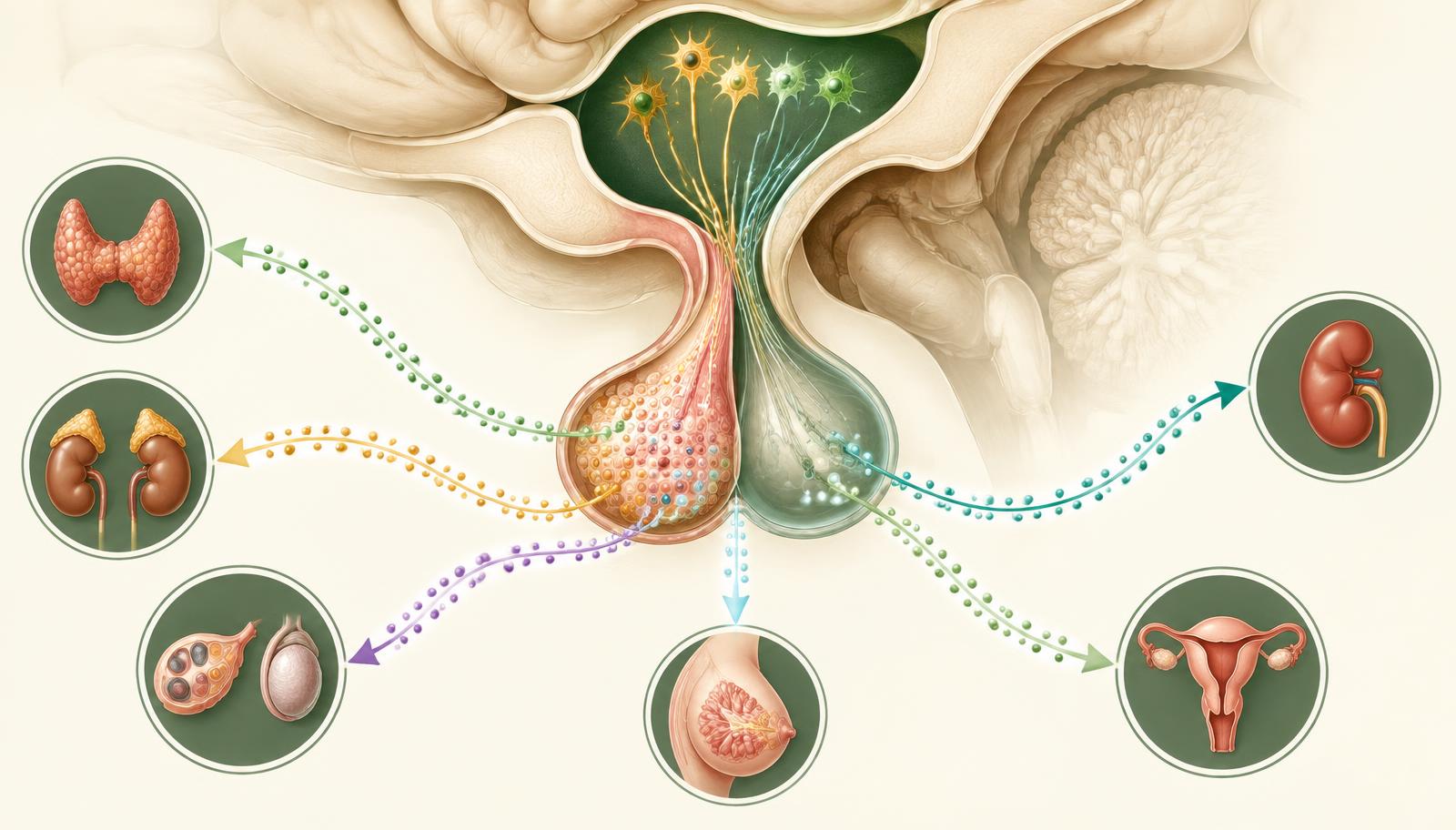
Tesamorelin is one of the clearest examples of a peptide that is a real, approved medicine — but for one condition, in specific markets. This review covers what the trials showed, the safety profile and where the evidence stops.